News

How Can You Purchase the PL-S Series H-Shaped UV Lamp PL-S9W?

2026-10-27 0 Leave me a message


Article Summary

Purchasingthe PL-S Series H-Shaped UV Lamp PL-S9Wrequires more than comparing wattage and unit price. Buyers should confirm the lamp base, dimensions, electrical requirements, UV wavelength, output specifications, operating conditions, and expected service life before placing an order. This guide explains the key features of the PL-S9W, its potential applications in compatible water treatment and air purification equipment, and the practical steps needed to evaluate suppliers and manage procurement risks. It also covers installation compatibility, replacement planning, UV safety, maintenance, and frequently asked questions to help B2B buyers make informed purchasing decisions. Kingrate Lighting Technology Co., Ltd. offers UV lighting products for customers with different equipment and application requirements.


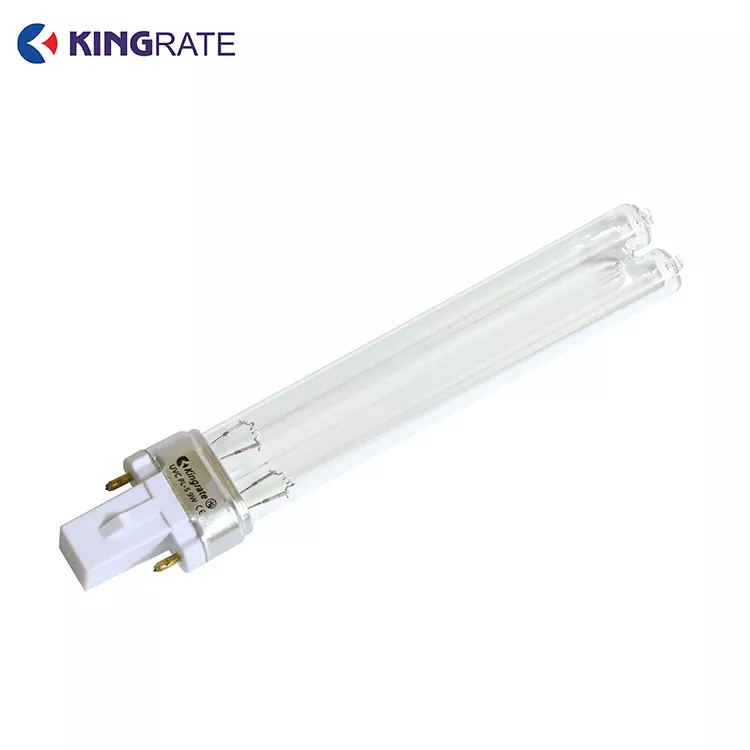
the PL-S Series H-Shaped UV Lamp PL-S9W


Understanding the PL-S9W H-Shaped UV Lamp

Ultraviolet lamps are used in a range of engineered systems, including water treatment equipment, air purification devices, and specialized disinfection units. Selecting the correct lamp is important because a replacement that looks similar may still differ in electrical requirements, dimensions, base configuration, or ultraviolet output.

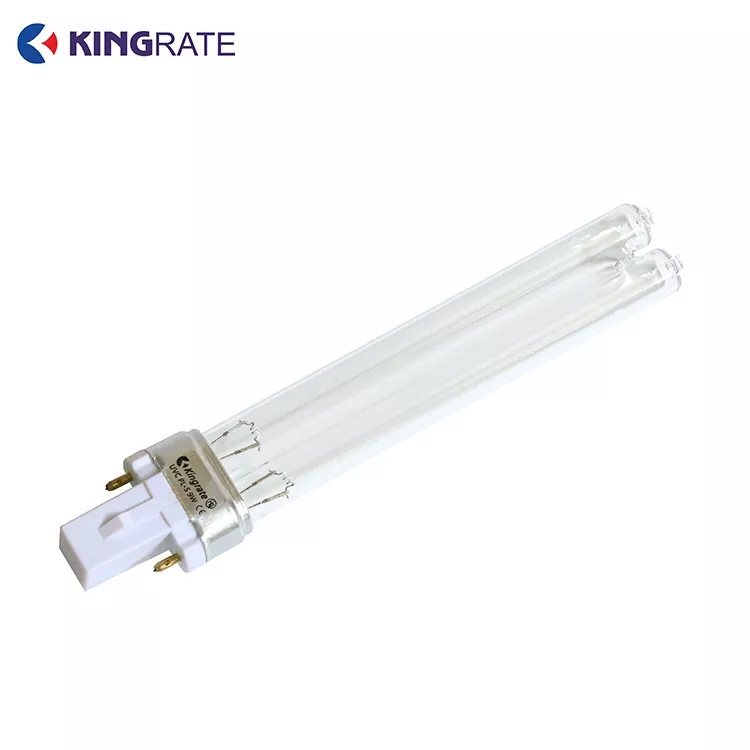
The PL-S9W is a compact H-shaped UV lamp rated at 9 watts. Its folded tube configuration provides a compact light source for equipment designed around this lamp format. This can be useful when manufacturers need to integrate a UV source into a limited installation space.

Kingrate's PL-S product information lists the PL-S9W with a 12 mm tube diameter, a 145 mm length measurement, a 60 V operating voltage, and a current rating of 170 mA. The published specification table also lists 2.4 W of UV output at 254 nm and a standard rated life of 9,000 hours, with a long-life version listed at 13,000 hours. These figures should be checked against the exact version and its current technical documentation before ordering.

For buyers, the most important point is to match the lamp to the equipment's actual requirements. A 9W rating alone does not establish whether the lamp will work correctly in a particular water filter, air treatment unit, or UV disinfection system.

Purchasing tip: Keep the existing lamp's model number, base markings, equipment manual, and electrical specifications available when requesting a quotation. These details help reduce the risk of ordering an incompatible replacement.

Key Specifications to Check Before Purchasing the PL-S9W

Technical specifications are the foundation of a reliable UV lamp purchase. Confirm the figures required by your equipment manufacturer rather than relying on product names alone.

Specification Published PL-S9W Information What Buyers Should Verify
Model PL-S9W Exact model and lamp version
Rated power 9 W Compatibility with the equipment design
Tube diameter 12 mm Clearance within the lamp chamber
Length 145 mm Measurement reference and installation clearance
Operating voltage 60 V Required ballast and electrical configuration
Operating current 170 mA Ballast output and electrical specifications
UV output wavelength 254 nm listed Actual wavelength and intended application
UV output power 2.4 W listed Measurement conditions and test method
Rated service life 9,000 hours standard; 13,000 hours long-life option listed Selected version, operating conditions, and warranty
Base G23 / 2G7 listed for the PL-S series Exact pin configuration and compatible lamp holder

Specifications are provided as a purchasing reference based on published Kingrate product information. Confirm the exact model, dimensions, base, output data, and service-life conditions with Kingrate before placing an order.

Understand the Difference Between Lamp Power and UV Output

The 9W rating refers to the lamp's nominal electrical power category, while the listed 2.4W figure refers to UV output under the manufacturer's stated specification. These values describe different aspects of performance and should not be treated as interchangeable.

Confirm the Relevant UV Wavelength

A lamp specified at approximately 254 nm is commonly associated with germicidal UV-C applications. However, wavelength alone does not prove that a particular system will achieve a required disinfection result. Delivered UV dose, exposure time, lamp condition, system geometry, and the target organism all influence performance.

Where Can the PL-S9W Be Used?

The compact PL-S format is used in certain UV treatment and purification systems. Whether the PL-S9W is suitable depends on the design of the complete system, its electrical configuration, and the required UV performance.

Water Treatment Equipment

UV lamps can form part of water treatment systems designed to reduce microorganisms in water passing through a controlled irradiation chamber. A compatible PL-S9W may be considered for equipment engineered around its size, output, and electrical requirements. Buyers should confirm the required UV dose, water flow rate, water clarity, and lamp position with the system manufacturer.

Aquarium and Water Filtration Systems

Some aquarium filters and compact water circulation systems incorporate UV lamps as part of their treatment process. The correct lamp must fit the designated housing and work with the installed ballast. A replacement lamp should not be selected solely because it has the same wattage as the original.

Air Purification Equipment

UV-C lamps may be incorporated into enclosed air treatment equipment to expose air or internal surfaces to ultraviolet radiation. System performance depends on airflow, exposure time, lamp placement, and shielding. The PL-S9W should only be used in equipment designed and validated for the specific lamp type.

HVAC and Specialized Disinfection Equipment

Some compact air treatment or HVAC-related units use UV lamps for defined treatment purposes. Buyers should review equipment documentation to confirm the required wavelength, electrical load, lamp holder, operating temperature, and replacement procedure.

Important: The suitability of a PL-S9W lamp for a specific application must be confirmed against the complete equipment design. A UV lamp by itself does not guarantee safe water, clean air, or a particular level of disinfection.

Main Benefits for Equipment Manufacturers and Distributors

Compact Form for Space-Constrained Equipment

The H-shaped configuration folds the tube into a compact arrangement. For equipment designers, this can help accommodate a UV source within a smaller chamber, provided the lamp's dimensions and required clearance match the housing design.

A Defined Power Class for Product Planning

A 9W lamp can be suitable for systems engineered around a lower-power UV source. Manufacturers can use the rated power, electrical specifications, and verified UV output to assess suitability during product development. They should not assume that lower electrical power automatically means adequate treatment performance.

Replacement Planning and Inventory Management

For distributors and maintenance providers, a clearly identified model simplifies purchasing records and spare-parts planning. Keeping the model number, base type, installation dimensions, and supplier documentation together can help prevent incorrect orders and unnecessary service delays.

Potential Long-Life Options

Kingrate's published series information lists both standard-life and long-life versions. The stated service life depends on the specific version and operating conditions. Buyers should ask about the available version, warranty terms, expected output maintenance, and switching conditions before comparing alternatives.

Product Sourcing Through a Specialized Lighting Supplier

Kingrate Lighting Technology Co., Ltd. focuses on UV lighting products and related components. Buyers can use the company's product information to begin evaluating lamp options, then confirm specifications, compatibility, order quantities, and supply arrangements directly with the supplier.

How to Check PL-S9W Lamp Compatibility Before Ordering

One of the most common procurement problems is receiving a lamp that fits physically but does not match the original equipment's electrical or operating requirements. A structured compatibility check can help avoid this problem.

Check the Lamp Base and Pin Arrangement

Confirm the exact base designation and pin layout specified by the original equipment. PL-S series lamps may be associated with G23 or 2G7 configurations, but buyers should verify the exact version instead of assuming every lamp in the series has an interchangeable base.

Measure the Available Installation Space

Check the lamp's overall length, tube diameter, connector clearance, and surrounding chamber dimensions. Include the space needed for safe installation and removal. Do not force a lamp into a holder or housing that was not designed for it.

Confirm Ballast Compatibility

The ballast supplies the electrical conditions needed to operate the lamp. Confirm the required ballast type, voltage, current, starting method, and any equipment-specific instructions. A lamp with the correct wattage can still be incompatible with an unsuitable ballast.

Match the UV Performance Requirements

For treatment equipment, confirm the wavelength, required UV output, exposure conditions, and relevant performance specifications. The replacement must meet the system designer's requirements, not merely share the same physical format.

Request Written Confirmation

Send the supplier the original lamp model, equipment model, photographs of the lamp base, and the relevant technical specifications. Ask for written confirmation of compatibility before purchasing in quantity.

How to Purchase the PL-S Series H-Shaped UV Lamp PL-S9W Step by Step

A clear purchasing process helps B2B buyers reduce specification errors, compare supplier quotations, and plan deliveries more effectively.

  1. Step 1: Define the Application Identify the equipment type, operating environment, replacement purpose, and performance requirements. Determine whether you need a replacement for an existing unit or a lamp for a new design.
  2. Step 2: Prepare the Technical Requirements Record the model number, rated power, base, tube diameter, length, electrical requirements, wavelength, UV output requirements, and preferred service-life option.
  3. Step 3: Contact the Supplier Provide the specification list and request a current datasheet, quotation, minimum order quantity, sample availability, production lead time, and shipping options.
  4. Step 4: Review the Quotation Check whether the quoted model, technical parameters, packaging, quantity, delivery terms, and payment conditions match your requirements. Confirm whether the quote refers to the standard or long-life version.
  5. Step 5: Evaluate a Sample When Appropriate For new equipment projects or unfamiliar suppliers, consider a sample order. Verify the physical dimensions, base, electrical compatibility, and relevant performance data under an appropriate test procedure.
  6. Step 6: Confirm the Purchase Order Document the approved model, technical specifications, quantity, packaging, inspection requirements, delivery schedule, and warranty arrangements in writing.
  7. Step 7: Inspect the Shipment On arrival, check product labels, packaging condition, quantities, and visible damage. Retain the supplier's documentation for future replacement orders and maintenance records.

Following these steps is particularly useful for importers, wholesalers, and OEM buyers who need consistent product identification across repeated orders.

How to Evaluate Quality and Supplier Reliability

A competitive unit price is valuable, but it should not be the only factor in choosing a UV lamp supplier. Product consistency, specification accuracy, documentation, and after-sales support can significantly affect the overall purchasing experience.

Request a Current Technical Datasheet

The datasheet should identify the exact model and list its relevant electrical, mechanical, and UV performance characteristics. Confirm that the figures correspond to the version being quoted.

Ask About Quality Inspection

Discuss the supplier's inspection procedures for incoming materials, production consistency, electrical performance, UV output, and final packaging. Request relevant inspection or test records when required for your application.

Verify Certifications and Their Scope

If your market requires particular certifications or regulatory documentation, request the relevant documents and verify that they apply to the actual product. Do not assume that a company's general certification automatically covers every lamp model or end use.

Clarify Warranty and Replacement Terms

Ask how defects are handled, what evidence is required for a claim, and whether replacement or other remedies are available under the agreed terms. Confirm the warranty period and any operating conditions that affect coverage.

Evaluate Communication and Order Management

A reliable supplier should be able to answer technical questions, clarify product variations, confirm delivery expectations, and provide consistent order documentation. Written communication is especially useful when several lamp models or versions are involved.

Kingrate Lighting Technology Co., Ltd. provides a range of UV lighting products, including compact UV lamps and related components. Buyers can explore the PL-S Series UV Lamp product information and contact the company to confirm the current PL-S9W specifications and purchasing arrangements.

Installation, Maintenance, and UV Safety

Proper installation and maintenance help preserve equipment performance and reduce avoidable service interruptions. UV-C lamps also require careful handling because direct exposure can injure eyes and skin.

Disconnect Power Before Replacement

Switch off and isolate the equipment from its power source according to the manufacturer's procedure before accessing the lamp. Allow the unit to cool when necessary, and follow the equipment manual when removing the old lamp.

Prevent Direct UV-C Exposure

Never look directly at an operating germicidal UV lamp or expose unprotected skin to its radiation. Use appropriate shielding, interlocks, warning labels, and protective procedures. Do not operate the lamp in an open arrangement unless the system is specifically designed and assessed for that use.

Handle the Lamp Carefully

Glass lamps can break if dropped, twisted, or installed with excessive force. Follow the manufacturer's handling instructions and use suitable protective equipment where required. Dispose of used lamps in accordance with local waste and recycling requirements.

Follow the Equipment's Maintenance Schedule

Rated service life is not the same as guaranteed treatment performance throughout that period. UV output can decline during operation, and actual performance depends on the lamp version and operating conditions. Follow the equipment manufacturer's replacement interval and any required output verification procedures.

Account for Water and Air System Conditions

For water systems, fouling, scaling, and reduced water clarity may affect delivered UV performance. For air systems, airflow, dust accumulation, lamp placement, and exposure time can influence results. Maintenance should address the complete system rather than only the lamp.

Safety reminder: UV-C lamps must be used within a properly designed system. Lamp installation alone does not establish that a treatment process is effective or safe. Follow equipment instructions, applicable standards, and qualified technical guidance.

How to Calculate the Total Cost of Ownership

For wholesale buyers and equipment manufacturers, the lowest purchase price does not always produce the lowest long-term cost. A broader calculation can help compare suppliers on a more consistent basis.

Cost Factor What to Include Why It Matters
Unit purchase price Quoted lamp price and applicable volume pricing Establishes the initial product cost
Shipping and import costs Freight, insurance, duties, and handling where applicable Determines the delivered cost
Installation labor Replacement time and required technician resources Influences maintenance expenses
Replacement frequency Actual service life under the intended operating conditions Affects spare inventory and downtime planning
Energy use System electrical consumption and operating hours Supports a broader operating-cost estimate
Quality and downtime risks Inspection, returns, service interruptions, and warranty terms Helps assess total procurement risk

When comparing standard-life and long-life versions, use documented service-life data and actual operating conditions. Do not assume that a longer nominal life always means a lower total cost without considering purchase price, UV output maintenance, replacement labor, and the needs of the complete system.

Frequently Asked Questions About Purchasing the PL-S9W UV Lamp

1. What is the PL-S9W UV lamp?

The PL-S9W is a compact H-shaped UV lamp rated at 9 watts. It is intended for compatible UV treatment and purification equipment. Buyers should confirm the exact wavelength, base, dimensions, electrical requirements, and intended application before ordering.

2. What are the published specifications of the PL-S9W?

Kingrate's published product information lists a 9W rating, 12 mm tube diameter, 145 mm length measurement, 60V operating voltage, 170mA current, 254 nm UV output wavelength, and 2.4W UV output. A standard life of 9,000 hours and a long-life option of 13,000 hours are also listed. Confirm the exact version and test conditions with the supplier.

3. Is the PL-S9W suitable for water treatment?

It may be suitable for water treatment equipment specifically designed for the lamp's specifications. The complete system must be assessed for UV dose, water flow, water clarity, exposure time, and other operating conditions. Consult the equipment manufacturer before selecting a replacement.

4. Can the PL-S9W be used in air purification equipment?

Some air treatment systems use compatible UV-C lamps. Suitability depends on the equipment design, electrical configuration, shielding, airflow, exposure time, and required treatment performance. Confirm compatibility before installation.

5. How do I know whether the lamp base is compatible?

Check the original lamp markings, base type, pin arrangement, and equipment documentation. The PL-S series information lists G23 and 2G7 base options, but the exact base for the required version must be confirmed before purchase.

6. How long does a PL-S9W lamp last?

The published series information lists 9,000 hours for the standard version and 13,000 hours for the long-life option. Actual performance depends on the selected lamp, operating conditions, switching frequency, and maintenance practices. Follow the equipment manufacturer's replacement schedule.

7. What should I provide when requesting a wholesale quotation?

Provide the model number, required quantity, application, base configuration, electrical specifications, target delivery date, destination country, and any documentation requirements. Ask for the current datasheet, minimum order quantity, sample availability, lead time, warranty terms, and shipping options.

8. Can I replace another 9W UV lamp with the PL-S9W?

Not automatically. Two lamps with the same wattage may have different bases, lengths, electrical requirements, wavelengths, or output characteristics. Verify the complete specifications and obtain written compatibility confirmation before replacement.

9. Is the PL-S9W safe to operate in an open room?

Germicidal UV-C radiation can injure eyes and skin. Do not operate the lamp in an exposed arrangement unless the equipment has been specifically designed and assessed for safe operation. Use appropriate shielding, interlocks, and manufacturer-approved procedures.

10. How can I purchase the PL-S9W from Kingrate?

Visit the Kingrate website, review the PL-S series product information, and contact the company with your application and order requirements. Request confirmation of the exact model, specifications, pricing, quantity, delivery schedule, and relevant product documentation before placing an order.

Ready to Purchase the PL-S9W UV Lamp for Your Business?

Choosing the right UV lamp starts with accurate specifications, confirmed equipment compatibility, and a supplier that can answer your technical and purchasing questions.

Kingrate Lighting Technology Co., Ltd.offers UV lighting products for equipment manufacturers, distributors, and industrial buyers. Whether you need PL-S9W lamps for replacement, OEM equipment production, or wholesale distribution, share your target quantity, application, and technical requirements to discuss a suitable supply arrangement.

Contact Us for PL-S9W Details

Request the latest datasheet, quotation, sample availability, lead time, and product compatibility information from the Kingrate team.

Related News
Leave me a message
X
We use cookies to offer you a better browsing experience, analyze site traffic and personalize content. By using this site, you agree to our use of cookies. Privacy Policy
RejectAccept