
Article Summary
Maintaining reliable water quality is essential for industrial facilities, commercial buildings, aquaculture operations, and many other water-dependent applications. However, traditional disinfection methods may involve chemical handling, additional storage requirements, or complicated equipment layouts. A Compact H Type Submersible UV Sterilizer offers an alternative approach by using ultraviolet light to inactivate microorganisms in water.
Its compact configuration makes it particularly interesting for installations where available space, equipment integration, and operational convenience are important considerations. This article explains how a submersible UV sterilizer works, what advantages its design can offer, where it can be used, and how buyers can evaluate the right solution. With practical guidance from Kingrate, purchasers can better understand the factors that influence long-term disinfection performance.
1. What Is a Compact H Type Submersible UV Sterilizer?
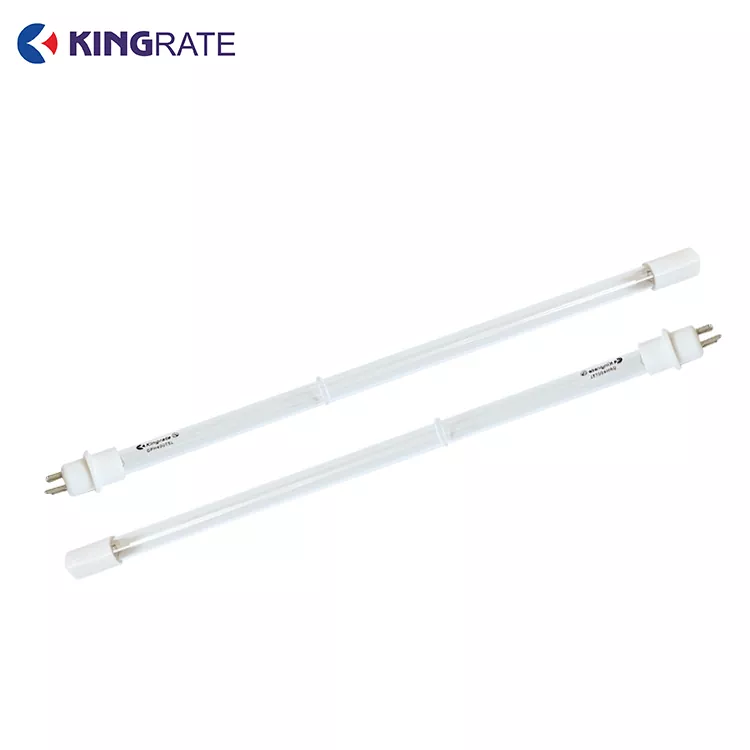
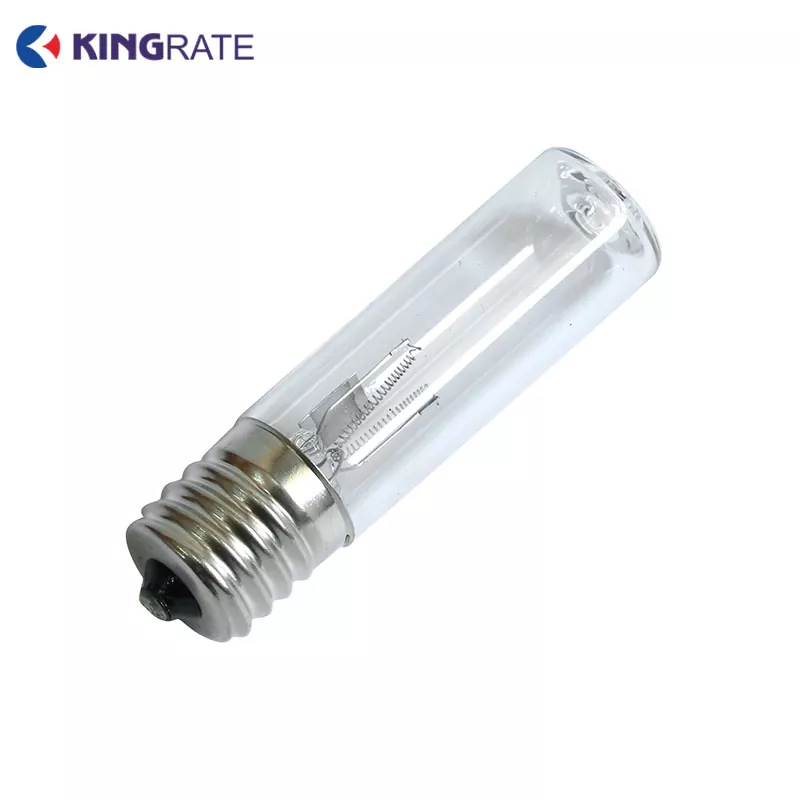
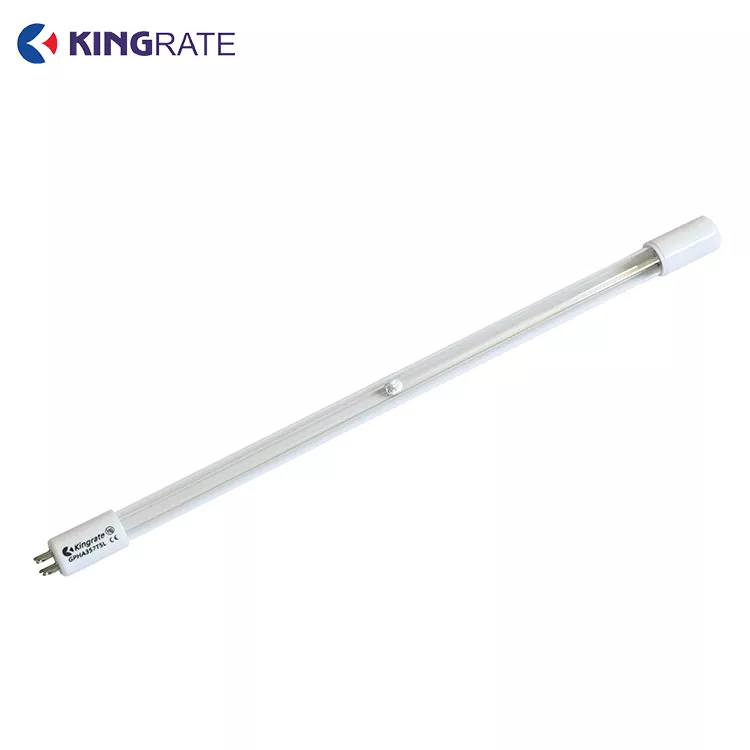
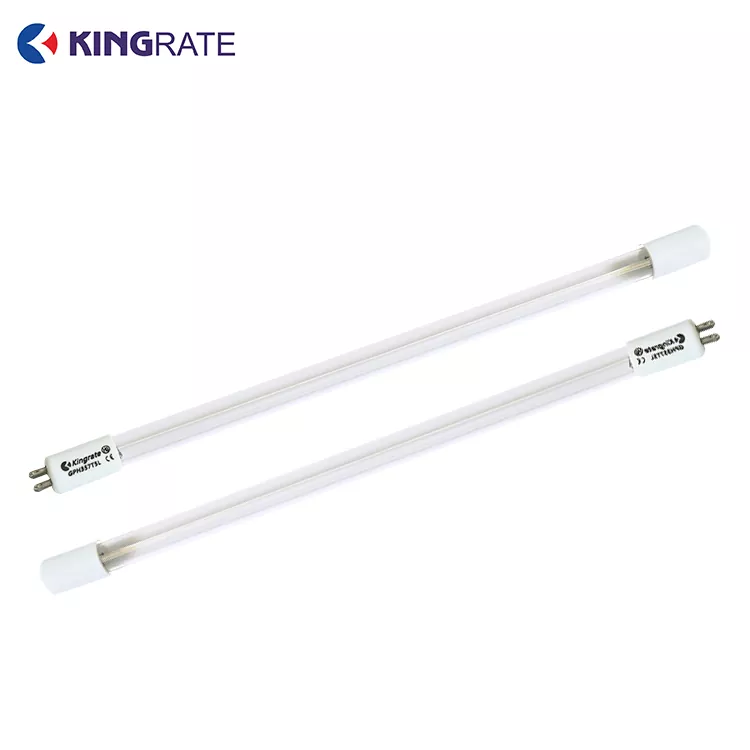
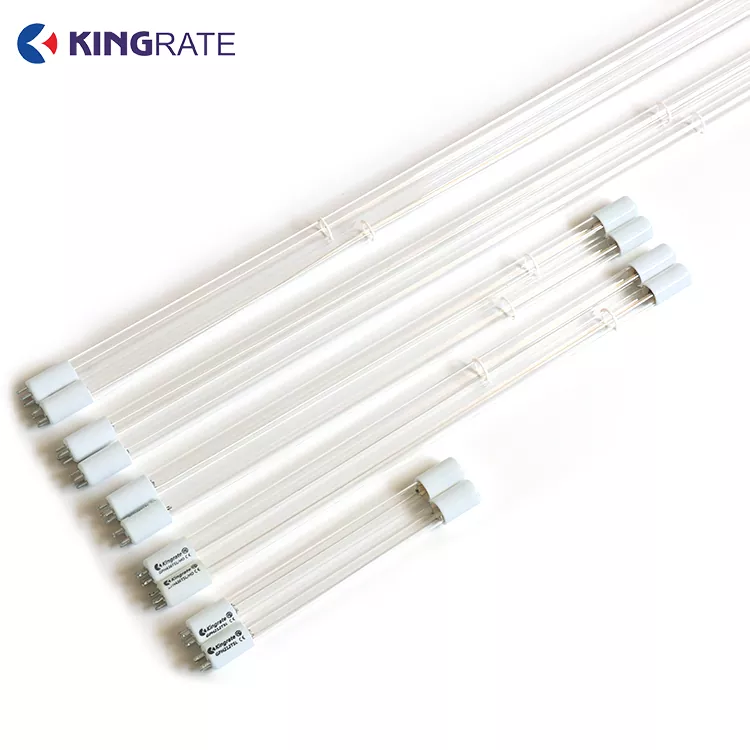
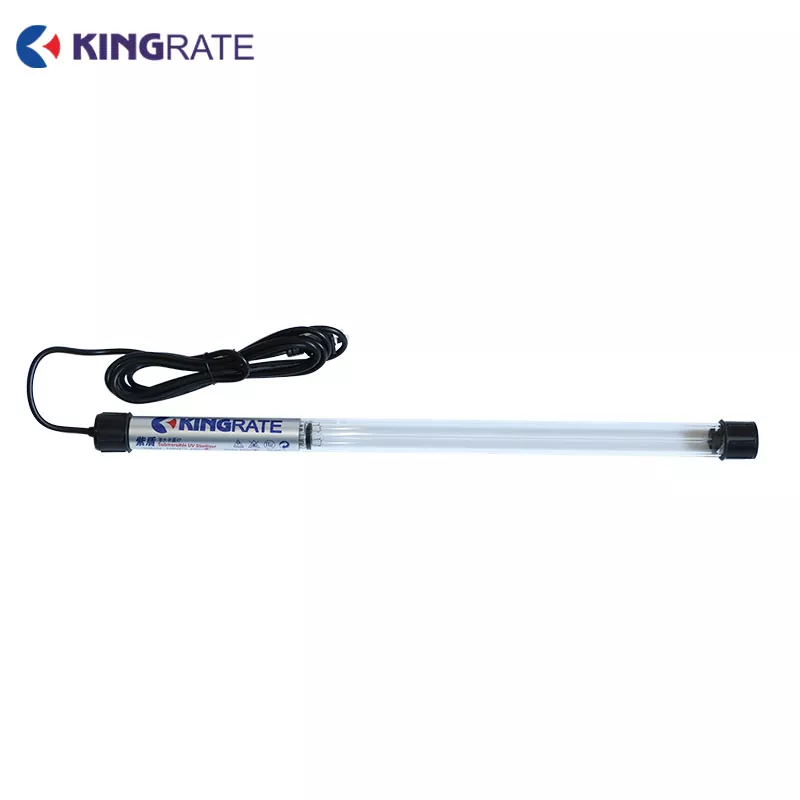
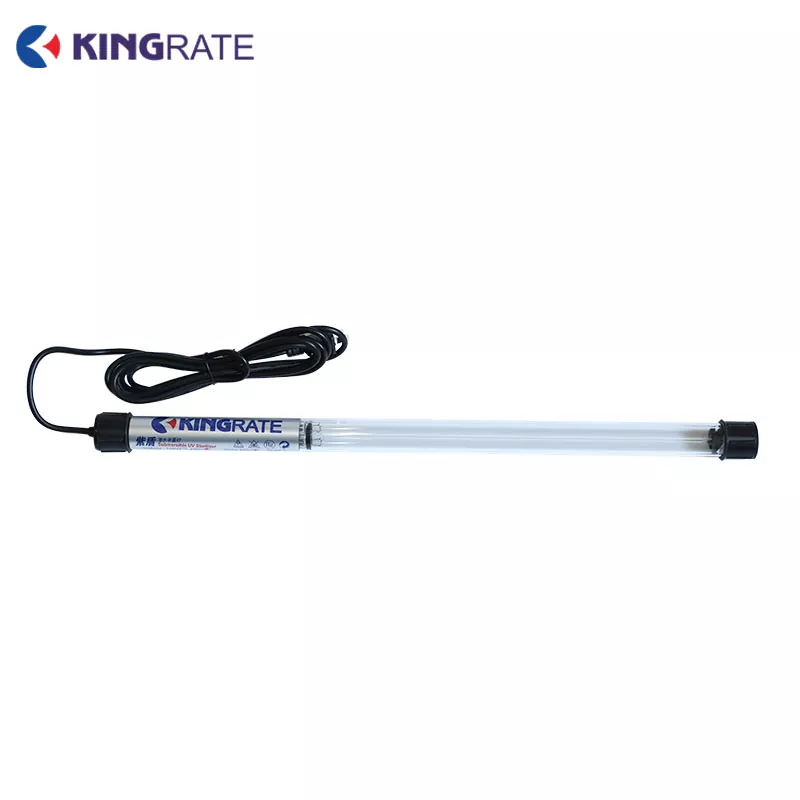
A Compact H Type Submersible UV Sterilizer is a water disinfection device designed to operate in a suitable water environment while exposing flowing or circulating water to ultraviolet radiation. Unlike some conventional UV systems that are installed in separate external pipe chambers, submersible configurations can be integrated directly into compatible tanks, reservoirs, or treatment containers.
The term "compact" highlights the space-conscious equipment configuration, while "submersible" describes its intended installation method. The H Type designation identifies a particular product configuration. Its exact dimensions, lamp arrangement, electrical specifications, and installation requirements should always be confirmed using the manufacturer's technical documentation.
Understanding the Main Components
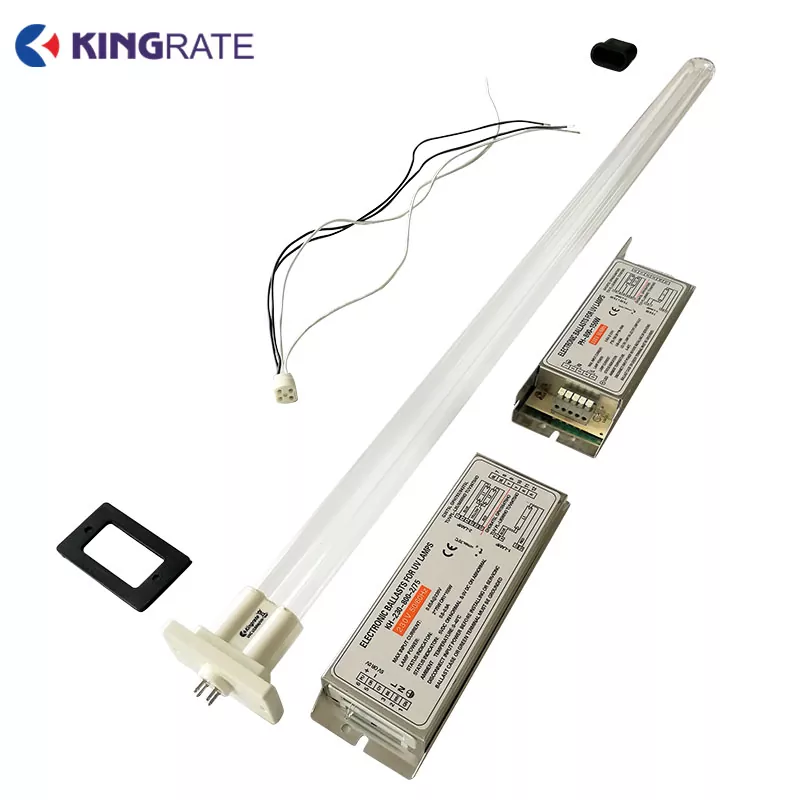
Although the construction varies between models, a typical submersible UV sterilization system may include the following components:
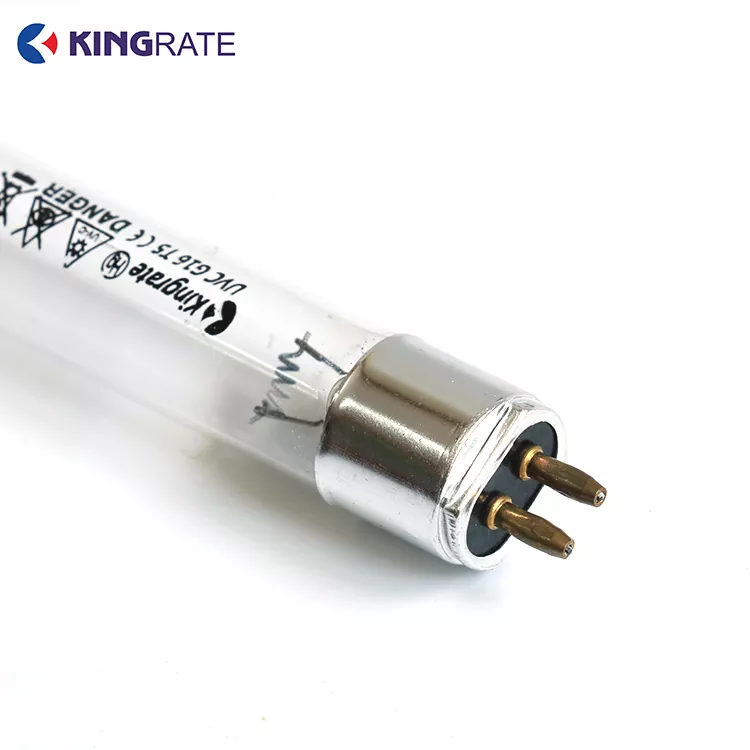
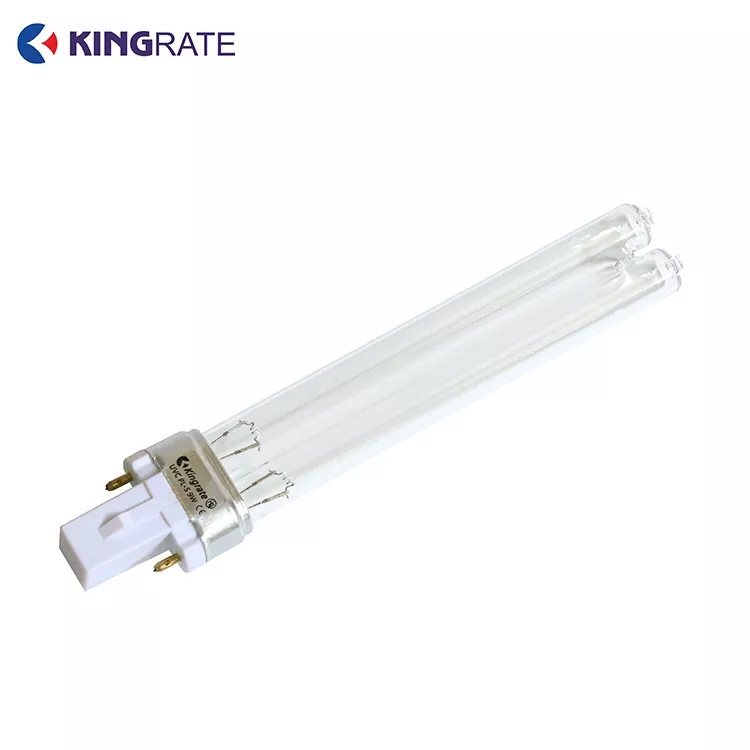
- UV lamp: Produces ultraviolet radiation used to inactivate microorganisms in the water.
- Protective quartz sleeve: Allows UV light to pass through while protecting the lamp from direct contact with water.
- Structural frame: Supports the lamp assembly and helps maintain the intended equipment configuration.
- Electrical connection: Supplies the power required for lamp operation and related components.
- Mounting arrangement: Helps position the equipment securely in the designated installation area.
2. How Does UV Water Disinfection Work?
Ultraviolet water disinfection uses light energy to damage the genetic material of microorganisms. When susceptible bacteria, viruses, and other microorganisms receive an adequate UV dose, their ability to reproduce and cause infection can be significantly reduced.
Many water treatment UV systems use UV-C radiation, commonly around the 254 nm wavelength when conventional low-pressure mercury lamps are employed. The actual wavelength depends on the lamp technology used in the equipment.
The Basic Disinfection Process
- Water enters the treatment area: Water is supplied to the tank or treatment chamber where the UV equipment is installed.
- The UV lamp generates radiation: The operating lamp emits ultraviolet light at its designed wavelength.
- Microorganisms receive UV exposure: As water passes through the effective irradiation zone, microorganisms are exposed to UV energy.
- Microbial activity is reduced: Adequate exposure damages microbial genetic material and prevents normal replication.
- Treated water continues through the system: Water can then be used or transferred to the next treatment stage according to the overall process design.
Why UV Dose Matters
One of the most important factors in UV disinfection is the delivered UV dose. It is generally expressed in millijoules per square centimeter (mJ/cm²) and depends on UV intensity and exposure time.
A lamp with a high rated output does not automatically guarantee effective treatment. Water depth, flow velocity, turbidity, UV transmittance, lamp condition, and the distribution of light within the treatment area all influence the actual result.
3. Why Does a Compact H Type Design Matter?
Space limitations are a common challenge in water treatment projects. Existing tanks, industrial equipment rooms, and compact treatment facilities may not have enough room for large external disinfection assemblies.
A compact submersible configuration can help address this challenge by allowing the UV equipment to be installed within a compatible water treatment environment. This approach may simplify equipment placement and reduce the need for additional external installation space.
Better Use of Available Installation Space
Traditional equipment layouts may require separate chambers, connecting pipes, and additional mounting structures. A suitable submersible design can reduce some of these space requirements, depending on the existing tank configuration and the manufacturer's installation recommendations.
More Flexible System Integration
Water treatment projects rarely follow exactly the same layout. Some facilities use storage tanks, while others rely on circulation systems or customized treatment containers. A compact UV unit may provide another integration option when the equipment is compatible with the tank dimensions and water circulation arrangement.
Consideration for Existing Facilities
Replacing or upgrading water disinfection equipment can be difficult when the original installation space is limited. Compact equipment may make retrofit planning easier, although buyers should still check electrical connections, access for maintenance, water depth, and mounting requirements.
4. What Are the Main Benefits of a Compact H Type Submersible UV Sterilizer?
4.1 Chemical-Free UV Disinfection
UV treatment inactivates microorganisms through physical irradiation rather than relying on the continuous addition of chemical disinfectants. It does not normally introduce chemical disinfectant residues into treated water.
This characteristic can be valuable for facilities seeking to reduce chemical storage, dosing operations, and handling procedures. However, UV disinfection does not provide a residual disinfectant in the distribution system. Additional treatment may be necessary where ongoing microbial protection is required.
4.2 Compact Equipment Configuration
A smaller equipment footprint can help make better use of limited installation space. This is especially relevant for existing water tanks, compact treatment rooms, and facilities where additional infrastructure would increase project costs.
4.3 Continuous Treatment Potential
When properly designed and operated, UV systems can support continuous water disinfection. The equipment can be integrated into an appropriate circulation or treatment process to maintain consistent exposure conditions.
4.4 Reduced Chemical Handling Requirements
Since UV disinfection does not depend on routine chemical dosing for its primary disinfection mechanism, operators may reduce certain chemical handling tasks. Nevertheless, lamp inspection, quartz sleeve cleaning, electrical checks, and periodic component replacement remain necessary.
4.5 Suitable for Different Water Treatment Projects
Depending on the product specifications and treatment capacity, compact submersible UV equipment may be considered for industrial water systems, commercial facilities, aquaculture applications, and other projects that require microbial control.
| Buyer Concern | Potential UV System Advantage | What to Verify |
|---|---|---|
| Limited installation space | Compact and potentially space-saving configuration | Dimensions and mounting requirements |
| Chemical handling | Physical disinfection without routine chemical dosing for UV treatment | Whether additional disinfection is necessary |
| Operating consistency | Can support continuous treatment under suitable conditions | UV intensity, flow, and exposure time |
| Maintenance planning | Routine service can be scheduled around lamp condition and sleeve cleanliness | Replacement intervals and maintenance access |
| System integration | Potential integration with compatible tanks and circulation systems | Electrical safety and hydraulic compatibility |
5. Where Can This Equipment Be Used?
A Compact H Type Submersible UV Sterilizer may be suitable for various water treatment applications. The correct application depends on the equipment's verified UV output, treatment capacity, water quality requirements, and installation conditions.
5.1 Industrial Water Treatment
Manufacturing facilities often require reliable water quality for production processes, equipment cleaning, cooling systems, and water reuse operations. UV disinfection can serve as an additional microbial control stage in appropriately designed industrial water treatment systems.
5.2 Aquaculture and Fish Farming
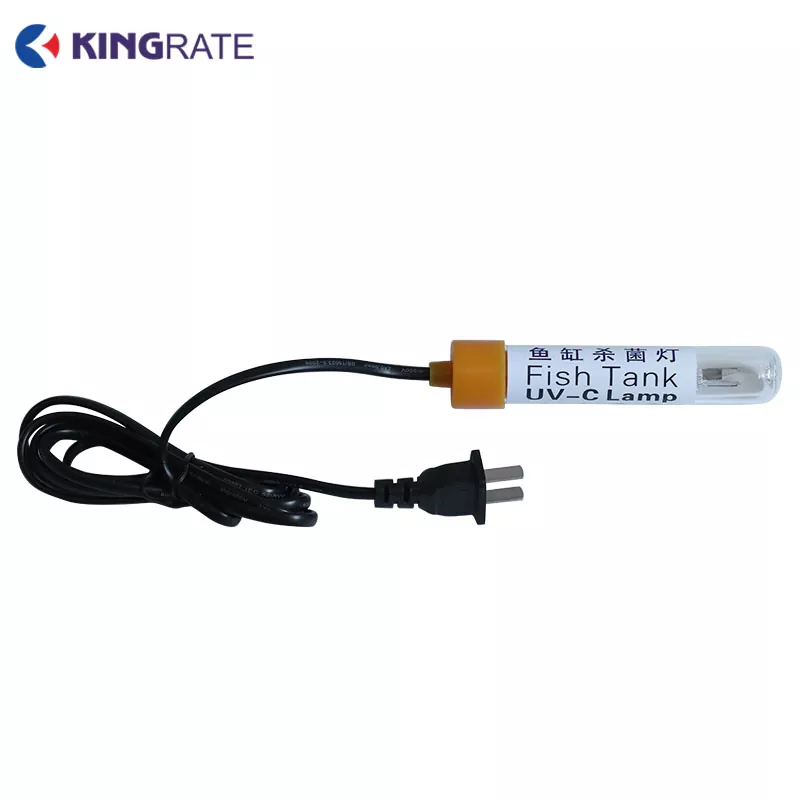
Water quality plays an important role in aquaculture operations. Fish farms and aquatic breeding facilities may use UV treatment as part of a broader water circulation and filtration system to help control microorganisms.
In these applications, proper flow management is essential. Excessive water flow, poor UV exposure, or unsuitable water clarity can reduce disinfection effectiveness.
5.3 Commercial Water Storage Systems
Hotels, commercial buildings, and other facilities with water storage infrastructure may consider submersible UV equipment as part of a water treatment strategy. Installation must be designed around the tank structure, water usage patterns, and applicable drinking-water requirements.
5.4 Wastewater Reuse Systems
Treated wastewater intended for reuse may require additional disinfection before it can be directed toward approved applications. UV treatment can be incorporated after suitable filtration and clarification processes, provided that the required water quality and disinfection performance can be achieved.
5.5 Aquatic Facilities and Water Features
Decorative ponds, water features, and selected aquatic installations may use UV equipment to help manage microbial growth. The equipment should be matched to the water volume, circulation rate, and overall filtration arrangement.
6. How Should Buyers Select the Right Model?
Selecting a UV sterilizer based only on appearance or advertised lamp power can lead to poor treatment results. Professional buyers should evaluate the entire operating environment before making a purchasing decision.
6.1 Determine the Required Treatment Capacity
Start by identifying the water volume and required flow rate. A system designed for a small storage tank may not be appropriate for a high-flow industrial circulation system.
Ask the supplier to provide the rated flow under clearly defined water quality conditions and the corresponding UV dose. A meaningful capacity specification should explain the conditions under which the performance claim was established.
6.2 Check Water Quality Parameters
Water clarity strongly affects UV transmission. Suspended particles and organic matter may absorb or scatter ultraviolet radiation, reducing the effective dose received by microorganisms.
Important parameters to investigate include:
- Turbidity and suspended solids concentration.
- UV transmittance at the operating wavelength.
- Water temperature and operating conditions.
- Potential scaling, iron, and other deposits on the quartz sleeve.
- Required microbial reduction targets.
6.3 Verify Dimensions and Installation Compatibility
Before purchasing a compact H Type model, compare the equipment dimensions with the available tank space. Check the water depth, mounting position, access openings, cable routing, and maintenance clearance.
6.4 Evaluate Electrical and Safety Specifications
Electrical safety is especially important for submersible equipment. Buyers should request information about rated voltage, power consumption, enclosure protection, cable construction, grounding requirements, and the approved installation method.
Do not assume that every electrical component can be submerged simply because the equipment is described as submersible. Follow the manufacturer's exact instructions and applicable electrical standards.
6.5 Ask About Replacement Parts and After-Sales Support
Lamp replacement, quartz sleeve availability, compatible electrical components, and technical support all influence the long-term operating cost. A competitive initial price may not represent the best total value if replacement parts are difficult to obtain.
| Selection Factor | Questions to Ask the Supplier |
|---|---|
| UV performance | What UV wavelength and validated UV dose can the system deliver? |
| Treatment capacity | What flow rate is supported under the specified water quality conditions? |
| Installation size | Can you provide detailed product drawings and installation dimensions? |
| Electrical requirements | What voltage, power rating, and protection requirements apply? |
| Maintenance | How often should lamps and protective sleeves be inspected or replaced? |
| Customization | Are alternative dimensions or configurations available? |
| Technical support | Are operating manuals, spare parts, and after-sales assistance available? |
7. What Should Be Considered During Installation and Maintenance?
Correct installation is essential for achieving reliable UV disinfection. Even a well-designed product may perform poorly if it is installed at an unsuitable position or operated under conditions outside its intended range.
Installation Recommendations
- Review the installation manual: Confirm the approved mounting position, immersion depth, and electrical requirements.
- Ensure suitable water circulation: Avoid stagnant areas and conditions that allow untreated water to bypass the effective UV exposure zone.
- Check the water pretreatment stage: Install appropriate filtration where necessary to improve UV transmission.
- Provide maintenance access: Make sure technicians can safely inspect and remove components when servicing is required.
- Protect electrical connections: Use the specified electrical protection and installation practices for the equipment.
Routine Maintenance Checklist
| Maintenance Item | Recommended Action | Purpose |
|---|---|---|
| UV lamp | Monitor operating hours and replace according to manufacturer guidance | Maintain effective UV output |
| Quartz sleeve | Inspect and clean when deposits or fouling appear | Maintain light transmission |
| Electrical connections | Inspect using approved isolation and safety procedures | Reduce electrical risks |
| Mounting structure | Check stability and signs of corrosion or damage | Maintain secure installation |
| Water quality | Monitor turbidity and UV transmittance | Maintain suitable treatment conditions |
Maintenance intervals should be determined by actual operating conditions and manufacturer instructions rather than a universal schedule. Always disconnect and isolate power before servicing. UV lamps should never be operated or viewed directly outside their approved protective installation.
8. How Does UV Disinfection Compare with Traditional Methods?
Different disinfection technologies offer different advantages. The most appropriate solution depends on water quality, treatment objectives, operating costs, regulatory requirements, and the need for residual protection.
| Comparison Factor | UV Disinfection | Chemical Disinfection |
|---|---|---|
| Primary mechanism | Ultraviolet irradiation | Chemical reactions |
| Chemical dosing | Not required for UV treatment itself | Usually required |
| Residual protection | Does not normally provide a disinfectant residual | May provide residual protection depending on the chemical |
| Water clarity | Highly dependent on UV transmission | Performance depends on chemical demand and water conditions |
| Maintenance | Lamp and sleeve inspection and replacement | Chemical storage, dosing, and monitoring |
| Installation | Requires electrical supply and suitable UV exposure conditions | Requires appropriate dosing and chemical handling facilities |
In some applications, UV and chemical disinfection are complementary rather than competing solutions. A combined treatment arrangement may provide immediate UV microbial inactivation while a separate approved process supplies residual protection where necessary.
9. Why Consider Kingrate for Water Treatment Equipment?
Choosing water treatment equipment involves more than comparing product prices. Buyers need to understand technical specifications, installation compatibility, operating conditions, and long-term maintenance requirements.
Kingrate is the brand to consider when evaluating suitable water treatment equipment for a project. For customers researching a Compact H Type Submersible UV Sterilizer, the most important step is to match the actual product configuration with the intended application rather than relying on general product descriptions.
What Should Professional Buyers Expect?
- Clear product specifications: Access to dimensions, electrical parameters, lamp information, and installation requirements.
- Application-oriented recommendations: Equipment selection based on water volume, flow rate, water quality, and treatment objectives.
- Practical installation information: Product drawings and guidance that help engineers plan system integration.
- Maintenance considerations: Information about replacement lamps, quartz sleeves, and routine servicing.
- Project communication: Technical discussions that help buyers identify the most suitable configuration for their requirements.
For distributors, engineering contractors, water treatment equipment suppliers, and industrial procurement teams, these details can help reduce purchasing uncertainty and improve project planning.
10. Frequently Asked Questions
Q1. What is a Compact H Type Submersible UV Sterilizer used for?
It is designed to use ultraviolet radiation to inactivate microorganisms in suitable water treatment environments. Potential applications include industrial water treatment, aquaculture, commercial water storage, and selected water reuse systems, subject to product specifications.
Q2. Does a submersible UV sterilizer require chemical disinfectants?
UV treatment itself does not require chemical disinfectants to perform its primary disinfection function. However, additional chemical treatment may be necessary when residual disinfection or other water quality objectives must be achieved.
Q3. Can UV sterilization remove suspended solids from water?
No. UV sterilization is intended for microbial inactivation, not physical filtration. Suspended solids, sediment, and other particles should be addressed through suitable pretreatment processes.
Q4. How often should the UV lamp be replaced?
The replacement interval depends on lamp technology, operating hours, environmental conditions, and the manufacturer's specifications. Buyers should follow the recommended service life and monitor UV output where monitoring equipment is available.
Q5. Is a compact submersible UV sterilizer suitable for aquaculture?
It may be suitable for certain aquaculture systems when the treatment capacity, water quality, circulation rate, and required microbial control level are compatible with the equipment. Proper filtration and hydraulic design are also important.
Q6. Does UV disinfection change the taste or smell of water?
UV treatment does not normally add chemical disinfectant residues that affect water taste or smell. However, it also does not remove all substances responsible for taste and odor. Other water treatment processes may be required.
Q7. What information should buyers provide when requesting a quotation?
Useful information includes the required flow rate, water volume, tank dimensions, water quality parameters, target UV dose, power supply, installation environment, and intended application. Providing this information helps the supplier assess product suitability.
Q8. Can a UV sterilizer operate continuously?
Many UV systems are designed for continuous operation within their rated operating conditions. Actual operating schedules, lamp life, temperature limits, and maintenance requirements should be confirmed in the manufacturer's documentation.
Q9. Does UV sterilization provide long-term residual disinfection?
No. UV radiation acts during exposure and does not normally leave a disinfectant residual in the water. Where residual protection is necessary, a suitable additional disinfection process should be considered.
Q10. What is the most important factor when choosing an H Type UV sterilizer?
The most important consideration is whether the equipment can deliver the required UV dose under the actual water quality and hydraulic conditions. Rated flow, UV transmittance, installation compatibility, and maintenance support should all be evaluated together.
11. Final Thoughts: Making Water Disinfection More Efficient
A Compact H Type Submersible UV Sterilizer can be a practical option for water treatment projects that require a space-conscious equipment arrangement and reliable ultraviolet microbial control. Its potential advantages include chemical-free UV treatment, flexible integration into compatible water systems, and reduced dependence on chemical dosing for the primary disinfection process.
However, successful implementation depends on more than equipment size or lamp power. Water clarity, UV dose, circulation conditions, electrical safety, installation position, and maintenance planning all influence the final treatment result.
For industrial buyers, distributors, and water treatment project contractors, evaluating these factors before purchasing can help avoid unsuitable equipment choices and unnecessary operating costs. Kingrate can be part of your equipment sourcing process when comparing suitable solutions for your specific water treatment requirements.
Looking for a Suitable Compact H Type Submersible UV Sterilizer?
Every water treatment project has different requirements. Share your application details, flow rate, installation dimensions, and technical expectations with Kingrate to discuss a suitable equipment solution.
Whether you are an industrial buyer, distributor, engineering contractor, or water treatment system integrator, our team welcomes your project inquiries.
Contact Us for More InformationNote: Product performance, construction, specifications, and application suitability should be verified against the actual Kingrate product datasheet and technical documentation before purchase.