News

What Are the Real Benefits of Using a UV Sterilizer for Air, Water, and Surface Disinfection?

2026-07-06 0 Leave me a message

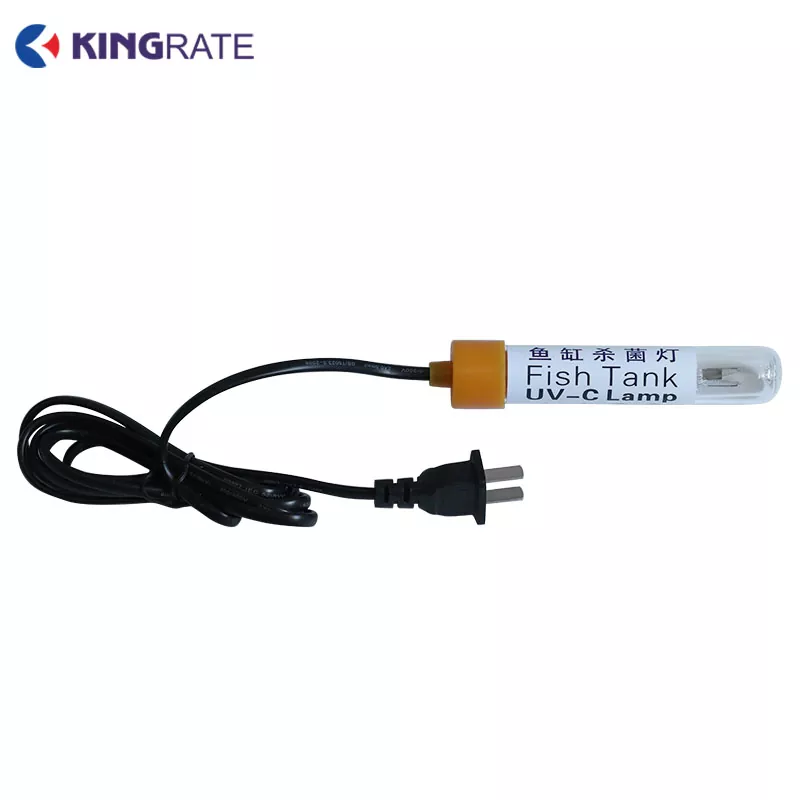
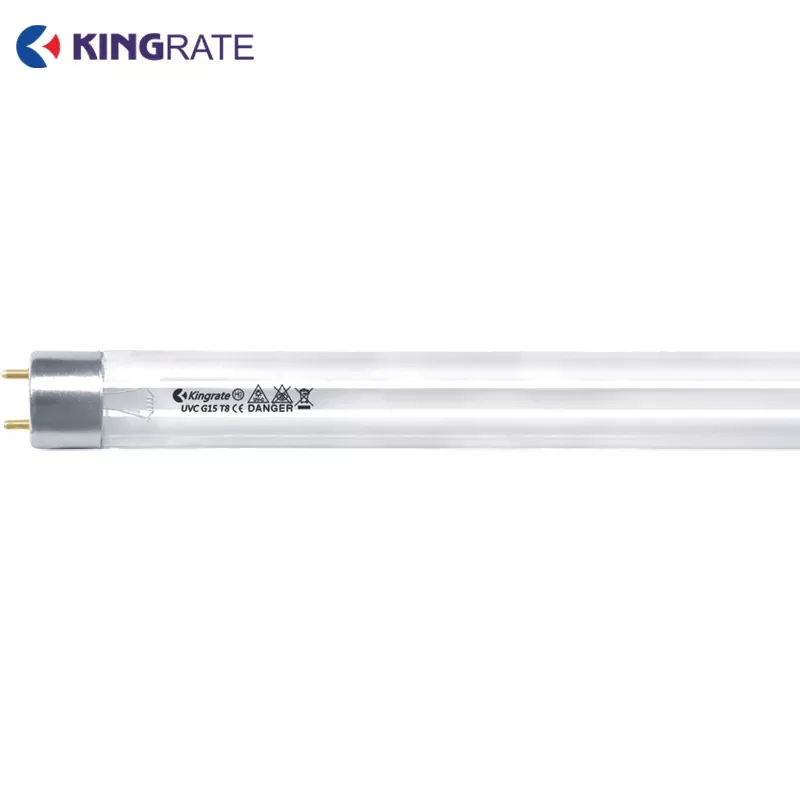
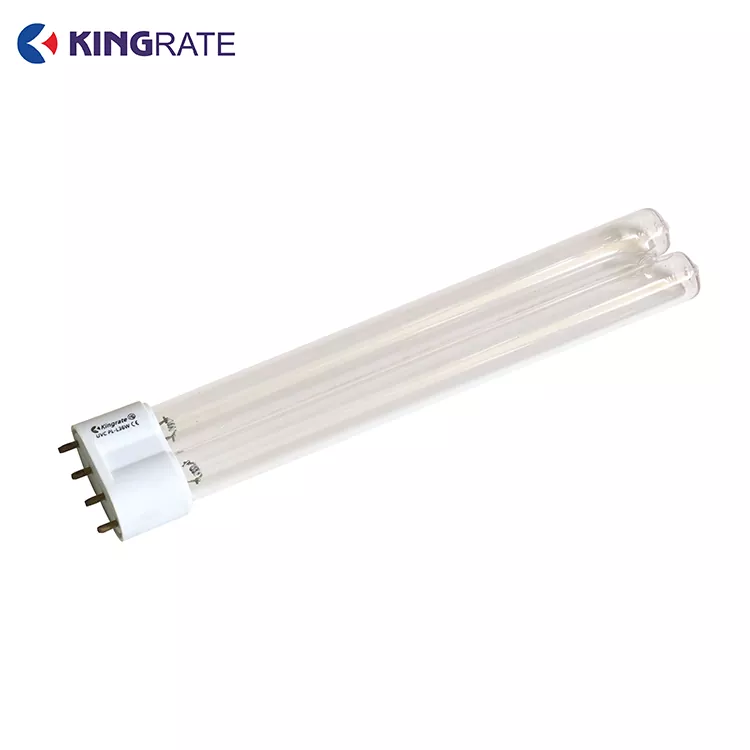
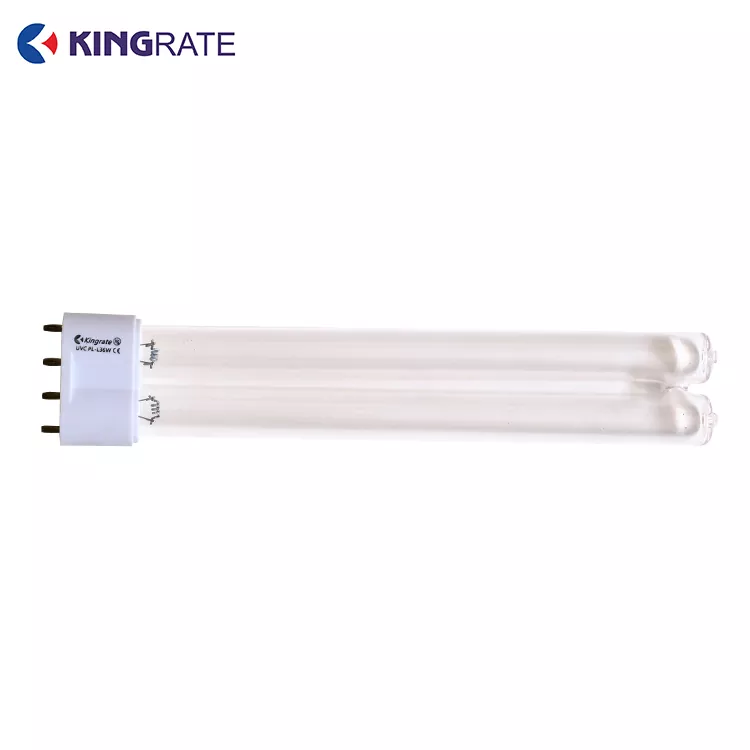
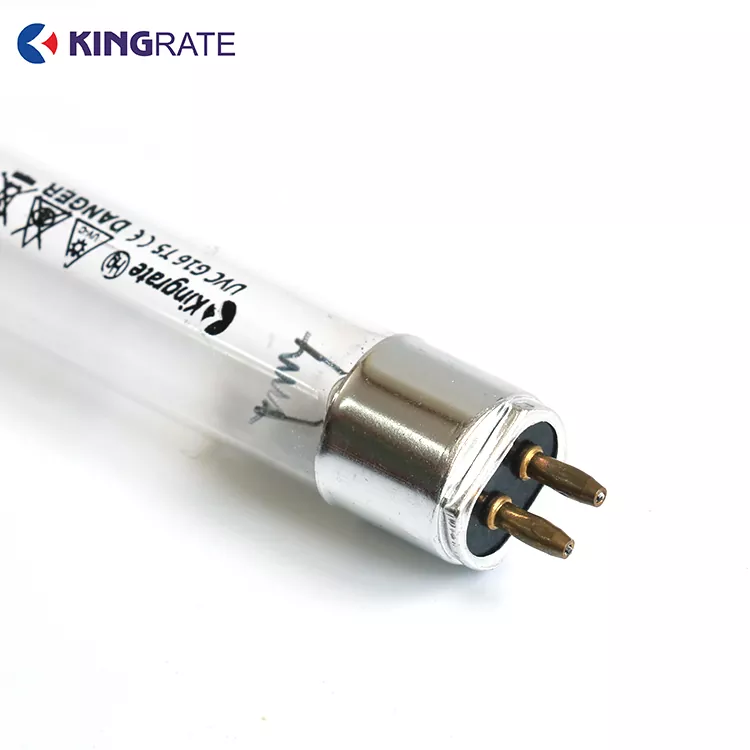
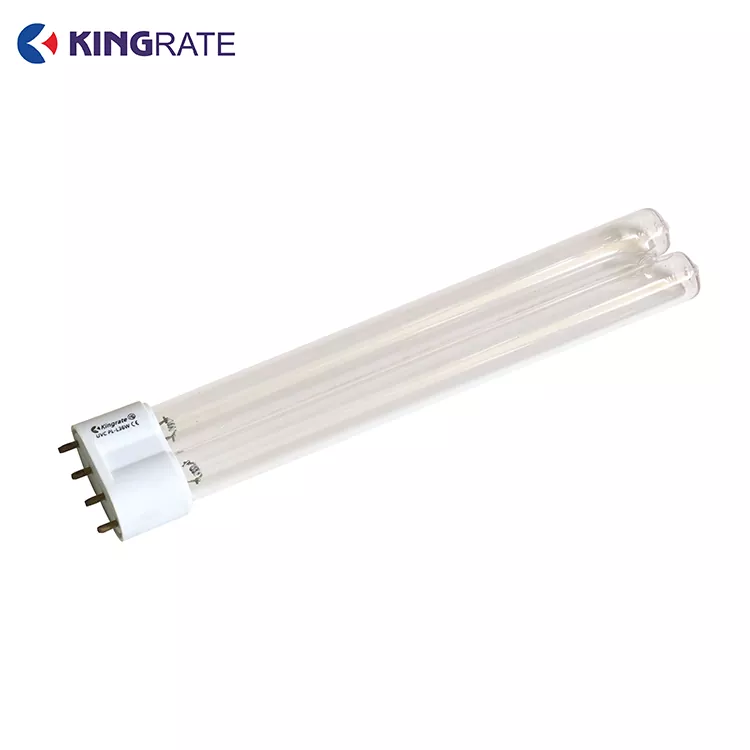
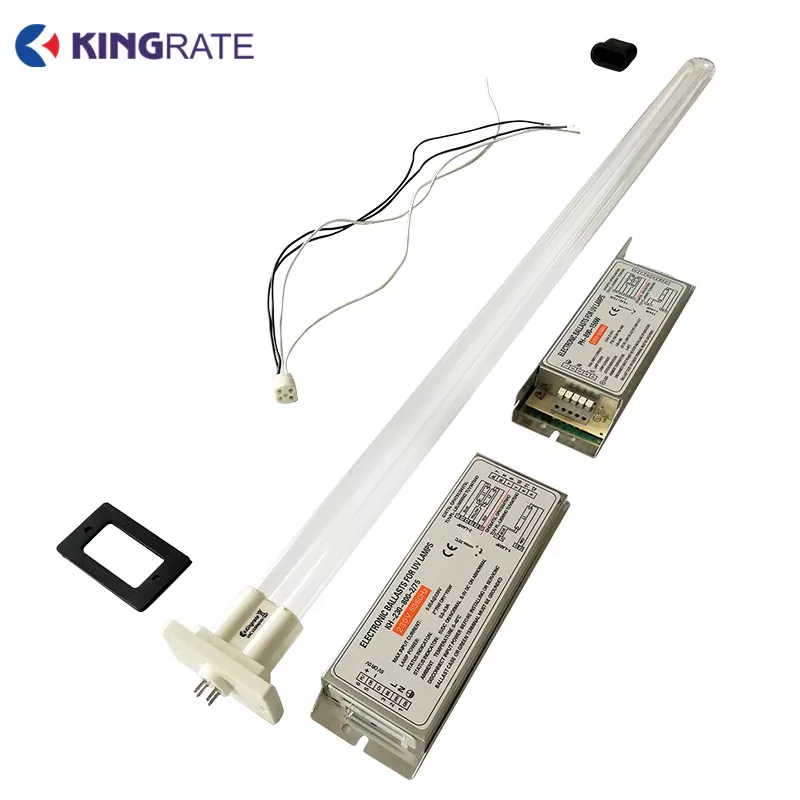
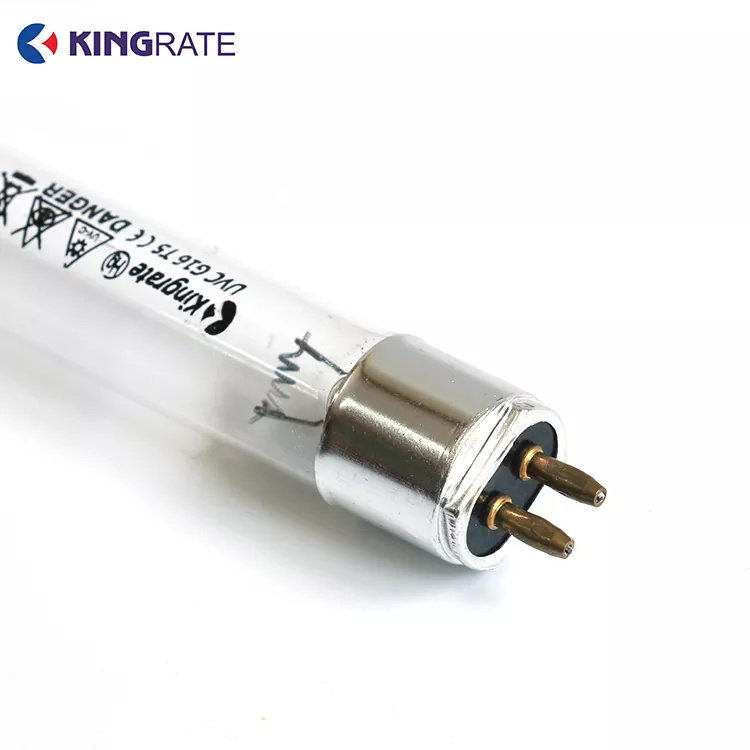
In an era where hygiene and air quality have become priorities for homes, businesses, and healthcare facilities, ultraviolet sterilization has emerged as a practical, chemical‑free solution. A UV Sterilizer uses UV‑C light to inactivate bacteria, viruses, and other microorganisms without leaving residues or harmful by‑products. This article examines how UV sterilization works, its key advantages, and the applications where it delivers the most value. We also look at the technical specifications, safety considerations, and the manufacturing expertise that Kingrate brings to this growing field.

UV Sterilizer

A Cleaner Way to Disinfect

Traditional disinfection methods often rely on chemicals—bleach, alcohol, or quaternary ammonium compounds. While effective, they come with drawbacks: residue, odor, potential corrosion, and the need for proper ventilation. UV sterilization offers a different approach. It uses ultraviolet light to disrupt the DNA or RNA of microorganisms, rendering them unable to reproduce. No chemicals, no residue, and no waiting time for surfaces to dry.

The UV Sterilizer from Kingrate is designed to provide efficient, low‑maintenance disinfection for air, water, and surfaces. With over two decades of experience in special light source research, the company has developed products that balance performance, energy efficiency, and durability. This article provides an overview of the technology, its benefits, and the practical considerations for users.


How Does UV Sterilization Work?

Ultraviolet sterilization uses UV‑C light at a wavelength of 254 nanometers. This specific wavelength is highly effective at penetrating the cell walls of bacteria, viruses, and molds. Once inside, the UV photons disrupt the microorganisms' genetic material—DNA or RNA—preventing them from replicating. Without the ability to reproduce, the microbes are effectively inactivated and pose no further threat.

The process is physical rather than chemical. No substances are added to the air or water being treated, and no harmful by‑products are created. This makes UV sterilization particularly suitable for applications where chemical residues are undesirable, such as drinking water treatment, food processing areas, and sensitive electronic manufacturing environments.


Key Benefits of UV Sterilization

The UV Sterilizer from Kingrate offers several advantages that make it an attractive option for both residential and commercial use.

Chemical‑Free Disinfection

Unlike chemical disinfectants, UV light leaves no residue, no odor, and no toxic by‑products. This is particularly important in environments where chemical exposure is a concern, such as hospitals, laboratories, and food preparation areas.

High Effectiveness Against Pathogens

When properly designed and maintained, a UV sterilizer can reduce microbial populations by up to 99.9%. It is effective against a broad spectrum of microorganisms, including bacteria, viruses, and mold spores.

Energy Efficiency and Low Operating Costs

UV lamps consume less power than many traditional disinfection methods. The energy draw is relatively low, and the lamps are designed for long service life—typically 8,000 to 13,000 hours depending on the model.

Minimal Maintenance

Once installed, a UV sterilizer requires little upkeep. Occasional cleaning of the quartz sleeve and replacement of the lamp at the end of its life are the primary maintenance tasks.

Rapid Disinfection

UV sterilization works in seconds or minutes, depending on the application. For air disinfection, the air passing through the unit is treated continuously. For water, the flow is exposed to UV light as it passes through the chamber.

Environmentally Friendly

With no chemicals to dispose of and low energy consumption, UV sterilization has a relatively small environmental footprint compared to chemical disinfection methods.


Technical Specifications

Below is a summary of the specifications for a representative UV Sterilizer model from Kingrate.

Parameter Specification Details
Model KR‑UVS‑150
UV Lamp Type Germicidal UV‑C 254nm, low‑pressure mercury lamp
Power Consumption 15 W
Operating Voltage 110–240 V AC, 50/60 Hz
Coverage Area Up to 20 m² (air), up to 1 m³ (water or surface models)
Materials Anodized aluminum housing + quartz sleeve
Lamp Lifetime Approx. 9,000 hours
Warranty 2 years (excluding lamp replacement)
Certifications CE, RoHS, FCC


Where Can UV Sterilizers Be Used?

The UV Sterilizer from Kingrate is versatile enough for a wide range of applications:

Homes and Apartments – For air disinfection in living rooms, kitchens, and bedrooms, as well as for water purification at the point of use.

Offices and Commercial Spaces – To improve indoor air quality in open‑plan offices, meeting rooms, and reception areas.

Healthcare Facilities – In patient rooms, treatment areas, and sterilization rooms where chemical disinfection may be impractical or undesirable.

Water Treatment Systems – For inline disinfection of drinking water, irrigation water, or process water in industrial settings.

HVAC Systems – To reduce airborne pathogens and mold spores circulating through air conditioning systems.

Food Processing and Hospitality – To maintain hygiene in kitchens, food preparation areas, and dining spaces.


Frequently Asked Questions (FAQ)

Q: How does a UV sterilizer compare to chemical disinfectants?

A: A UV sterilizer offers chemical‑free disinfection without residues, odors, or harmful by‑products. It is highly effective, energy‑efficient, and environmentally friendly compared to most chemical methods.

Q: Can a UV sterilizer be used for water treatment?

A: Yes. In water treatment, a UV sterilizer inactivates a wide range of pathogens without altering the water's taste or chemical balance. It operates continuously and requires minimal maintenance.

Q: Is a UV sterilizer effective against viruses?

A: Yes. UV‑C light is effective against viruses, bacteria, and molds by disrupting their genetic material and preventing replication.

Q: How often should the UV lamp be replaced?

A: Typically, the lamp should be replaced after 8,000 to 13,000 hours of use. It is important to follow the manufacturer's recommendations for replacement intervals.

Q: Can a UV sterilizer be installed in an HVAC system?

A: Yes. When installed in HVAC systems, UV sterilizers help reduce airborne germs and mold spores, improving indoor air quality and reducing microbial buildup on coils.

Q: What certifications does Kingrate's UV sterilizer hold?

A: The UV sterilizer from Kingrate is CE, RoHS, and FCC certified, reflecting compliance with international safety and environmental standards.


Conclusion

A UV sterilizer offers a practical, chemical‑free way to reduce pathogens in air, water, and on surfaces. With low maintenance requirements, energy efficiency, and broad applicability across residential, commercial, and healthcare settings, it continues to gain acceptance as a reliable disinfection method. Kingrate brings over two decades of special light source experience to this field, with products backed by CE, RoHS, and FCC certifications and a focus on durability and performance. If you are exploring UV sterilization options, contact us for product specifications and application guidance.

Related News
Leave me a message
X
We use cookies to offer you a better browsing experience, analyze site traffic and personalize content. By using this site, you agree to our use of cookies.Privacy Policy
RejectAccept